
The Radical Act of Being Still
Stillness gets a bad reputation. It’s often mistaken for laziness, avoidance, or giving up. In a culture that rewards motion—emails sent, steps counted, goals crushed—being still can feel suspicious, even irresponsible. But stillness isn’t the absence of life. It’s the pause that lets life come into focus.
Think of the mind like a snow globe. When it’s constantly shaken, everything inside stays cloudy. You can do things—busy, impressive things—but clarity remains elusive. Stillness is the moment you set the globe down. The flakes don’t fall immediately. At first, it feels uncomfortable. The urge to shake it again is strong. But if you wait—just a little—the scene sharpens. You begin to see what’s actually there.
Being still doesn’t mean stopping forever. It means stopping on purpose. It’s choosing to sit before reacting, to breathe before deciding, to listen before fixing. Stillness creates a buffer between stimulus and response, and in that buffer lives wisdom. Or at least fewer regrettable text messages.
There’s also a strange physics to stillness: it reveals things you didn’t know were making noise. When movement ceases, subtle signals emerge—fatigue you’ve been overriding, emotions you’ve been rescheduling, ideas that needed quiet to finish forming. Stillness doesn’t add information; it subtracts interference.
This is why stillness can feel unsettling. Motion is an excellent distraction. Stillness removes the noise-canceling headphones. You may notice grief, restlessness, joy, or questions that don’t have tidy answers. That’s not a failure of stillness. That’s the point. The nervous system recalibrates. The mind stops sprinting and remembers how to walk.
Paradoxically, stillness often leads to better action. Athletes pause before a critical move. Musicians rest between notes. Scientists wait for data to settle before drawing conclusions. The pause is not dead time; it’s integration time. Without it, effort becomes frantic rather than effective.
In a world that equates worth with productivity, choosing stillness is quietly rebellious. It says: I am not a machine. I am a system that needs rest to function well. And systems that never pause eventually break—not dramatically at first, but subtly, through burnout, numbness, or chronic dissatisfaction.
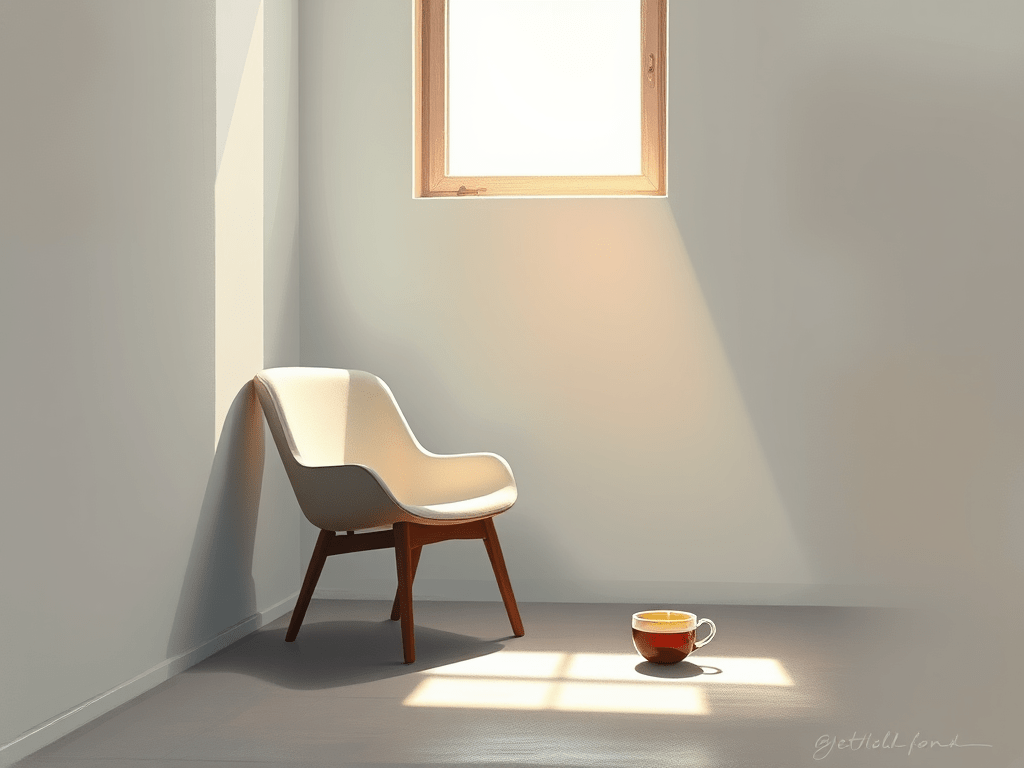
Stillness doesn’t require a mountain retreat or a perfect morning routine. It can be found in a parked car before going inside, a cup of tea untouched for five minutes, a breath taken without multitasking. Small pockets count. The nervous system doesn’t need grand gestures; it needs consistency.
So be still—not as an escape from life, but as a way of meeting it honestly. Motion will always be there when you’re ready. Stillness just makes sure you know why you’re moving before you do.

 True 2 Your Body
Leave a comment